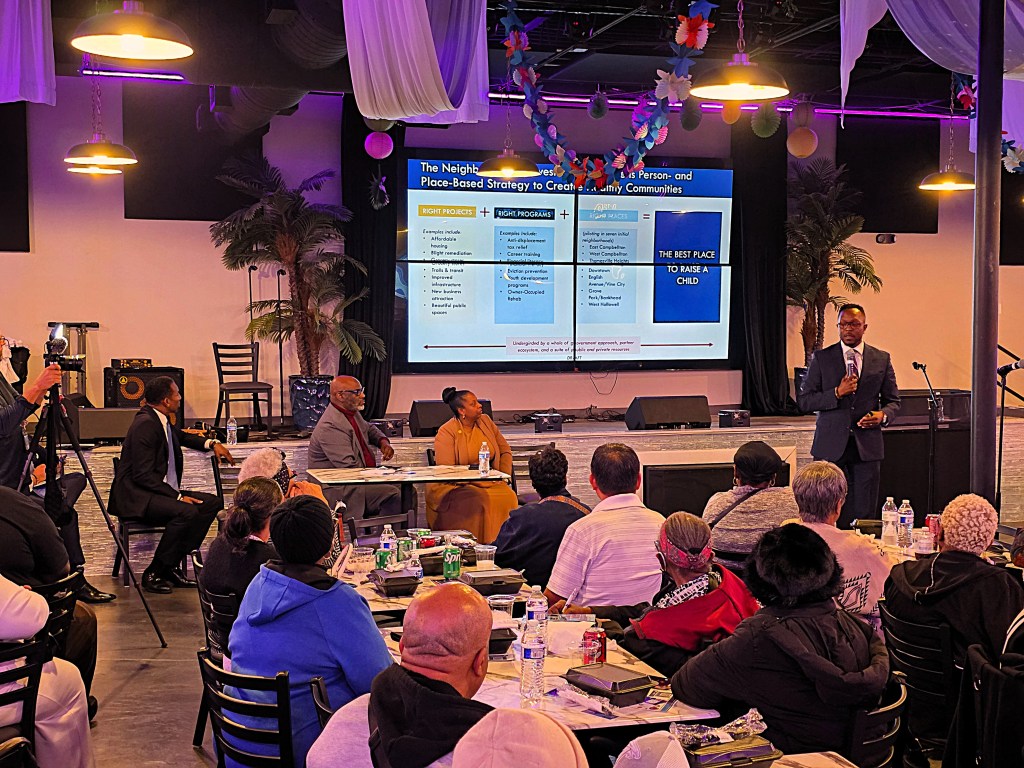
Mayor Dickens has been talking about his $5.5 billion Neighborhood Reinvestment Initiative as the solution to Atlanta's 'tale of two cities' problem. But the whole plan hinges on something most people have never heard of: extending the city's eight Tax Allocation Districts (TADs) until 2055. It's wonky policy stuff, but it matters a lot for neighborhoods south of I-20.
TADs work by capturing future property tax growth in designated areas and using that money for development projects. The idea is that improvements funded by TADs will increase property values, which generates more tax revenue, which funds more improvements. It's a cycle that can work well, but it can also contribute to gentrification and displacement if not managed carefully.
The mayor's team argues this is the best way to address the persistent inequality between north and south Atlanta neighborhoods. Critics worry about whether TADs can actually deliver on such ambitious promises, especially when it comes to affordable housing and preventing displacement. Nearly two-fifths of state legislators have real estate investments, which adds another layer of complexity to housing policy discussions. The debate is just getting started, but the stakes are huge for communities that have been waiting decades for this kind of investment.