Atlanta is once again facing a familiar tension. Growth and equity are pulling in different directions, and the Westside is caught in between.
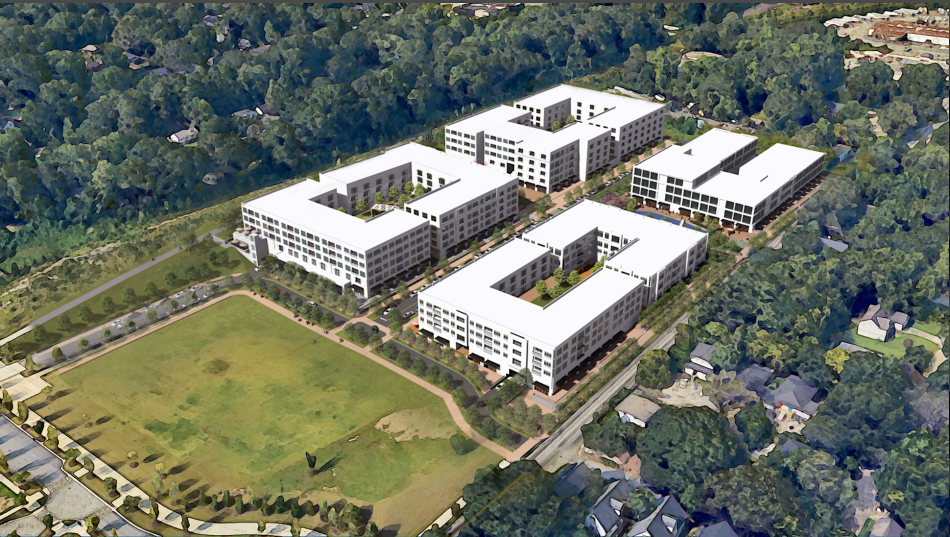
The debate over a proposed homeless shelter along the Atlanta BeltLine has sparked organized opposition, much of it framed as a fight for economic justice. The proposal would use only part of the site for a shelter, with a comparable portion dedicated to services and other uses.
Residents argue their communities have endured decades of disinvestment and should not be asked to take on another citywide burden. But that history doesn't answer the present question: Why has the Westside struggled to attract the kinds of employers, grocery stores, and sustained commercial activity seen elsewhere in Atlanta?
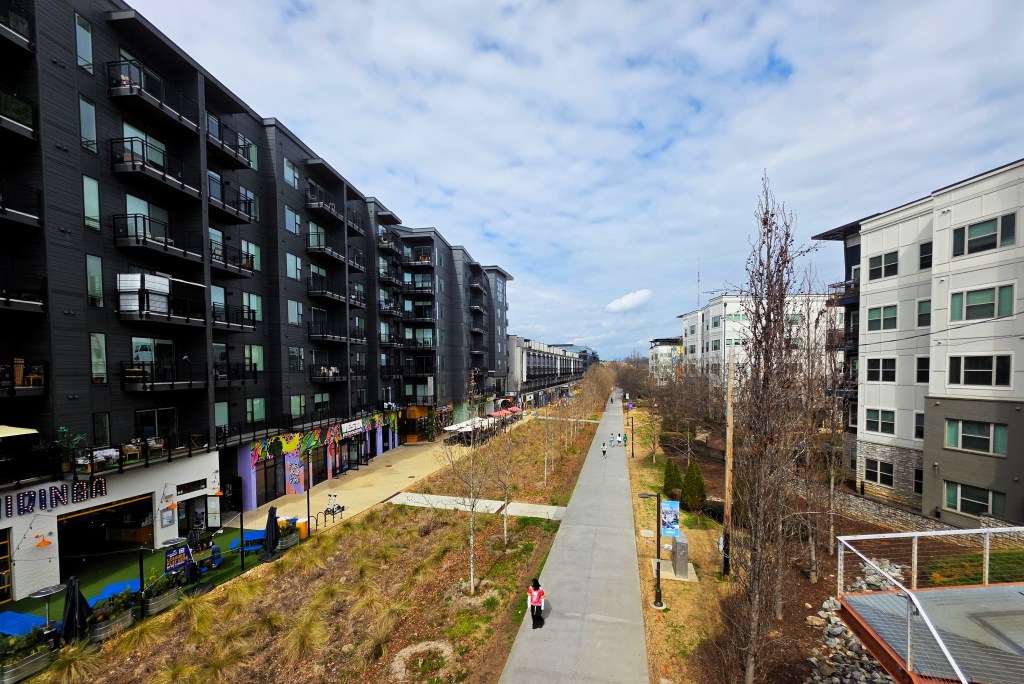
The uneven development of the BeltLine reflects that reality. Some sections are filled with art, activity, and amenities. Others are still waiting.
Opponents have sharpened their case beyond simple rejection. They're calling for what they describe as "proportional economic development," arguing that a project of this scale should not move forward without parallel investment in jobs, retail, and mixed-income housing. The debate continues as the proposal awaits city review.