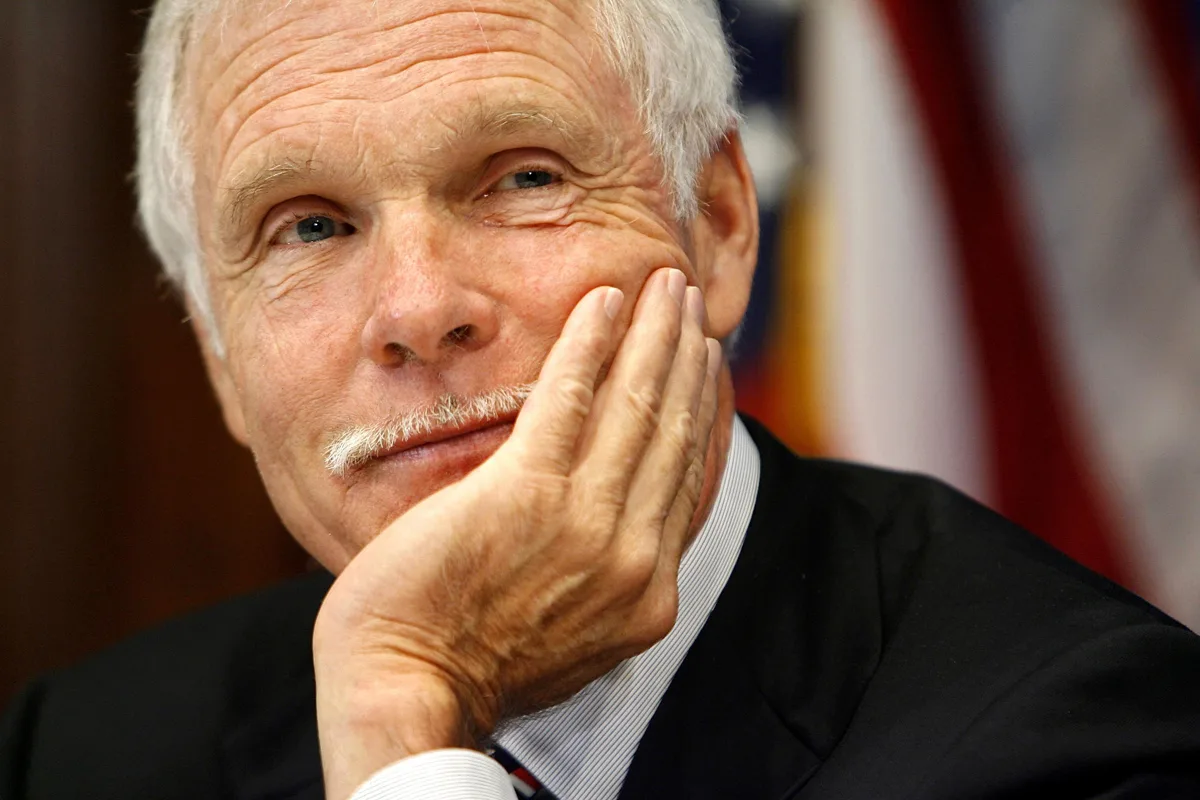
Ted Turner, the Atlanta entrepreneur who changed the way the world consumes news, has died at 87. Turner founded CNN in 1980, launching the first 24-hour news network from a converted country club on Techwood Drive and betting that people would want news on demand rather than waiting for the evening broadcast. The bet paid off spectacularly, and CNN became a global phenomenon that put Atlanta on the map as a media capital.
Before CNN, Turner had already built a media empire by turning his father's billboard company into Turner Broadcasting System. He bought the Atlanta Braves in 1976 and the Atlanta Hawks, using his WTBS superstation to broadcast games nationally and turning the Braves into 'America's Team' during their unprecedented 14-year division title run in the 1990s. His vision of cable television as a delivery system for sports and news changed the industry.
Turner's philanthropy matched his business ambitions. In 1997, he pledged $1 billion to the United Nations, one of the largest charitable gifts in history at the time. He co-founded the Nuclear Threat Initiative with Sam Nunn to reduce the dangers from nuclear, biological, and chemical weapons. His Ted Turner Expeditions conservation efforts have protected more than 2 million acres of land across the American West.
Atlanta Magazine remembered Turner as a man who pursued causes with the same intensity he brought to business, whether it was winning the America's Cup in 1977 or fighting climate change decades before it became mainstream. Georgia Recorder noted his role in reimagining the news cycle, while Global Atlanta highlighted his efforts to quell global conflicts through sports and business connections.
The reactions from Georgia's leaders poured in throughout Wednesday. Governor Brian Kemp called Turner 'a true visionary who put Atlanta on the world stage.' Former Mayor Shirley Franklin said he was 'one of the most important figures in Atlanta's history.' At Ted's Montana Grill, the restaurant chain Turner co-founded in 2002, customers shared memories of times the media mogul had surprised them at the Peachtree Street location.
Turner had been living with Lewy body dementia, a progressive brain disease that his children disclosed in 2018. Despite his declining health, his impact on Atlanta and global media remains indelible. He transformed a regional Southern city into an international hub, proved that cable television could challenge broadcast networks, and demonstrated that business success and environmental advocacy could go hand in hand.