Atlanta's zoning code is older than most of the people complaining about it. The current rulebook is 44 years old, and right now over 60% of the city's residential land is reserved exclusively for detached single-family houses. That is the backdrop for ATL Zoning 2.0, the long-promised overhaul the City Planning Department has been working on since 2015. Atlanta Civic Circle reports the department is now on Version 3, which could be the draft that actually goes to City Council for adoption.
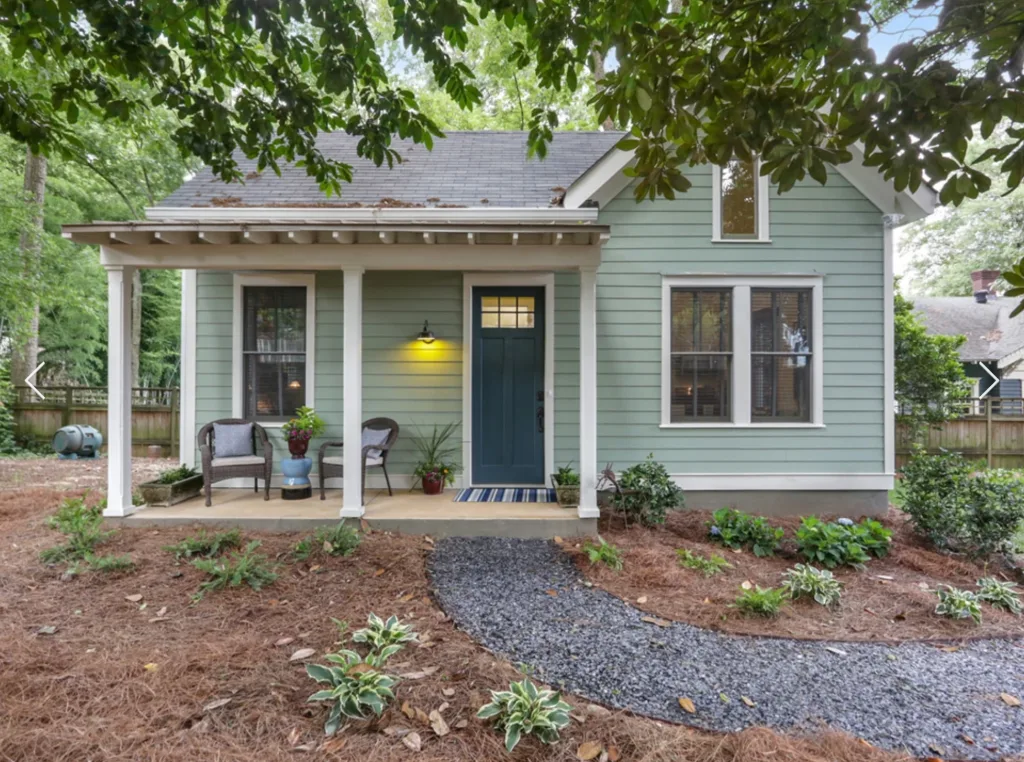
The sticking point is what planners call the missing middle: duplexes, triplexes, townhomes, and small apartment buildings, the kind of housing that lets more people live on less land without putting up a tower. Advocates argue that legalizing those types citywide is one of the most direct levers Atlanta has on affordability. Kronberg Urbanists + Architects founder Eric Kronberg, a familiar voice in these debates, is among those skeptical that Version 3 meaningfully reduces how much land stays locked to single-family use.
This lands close to home for the Southeast BeltLine corridor. Neighborhoods like Reynoldstown, Grant Park, and Ormewood Park are exactly where modest infill could absorb growth without bulldozing the character people moved there for. If the final code keeps the old map mostly intact, the corridor's affordability squeeze gets harder to fix, no matter how many trail segments open.